Proven Home Builder Services for Your Dream Project
Determining a reputable home builder is a critical step in realizing one's dream home. Essential qualities, such as effective project management and clear financial planning, can greatly impact the outcome. Likewise, grasping the essential services a builder should provide is comparably important. As homeowners navigate this intricate undertaking, diverse factors warrant serious evaluation. Which defining qualities should one emphasize most when selecting a builder for this substantial monetary commitment?
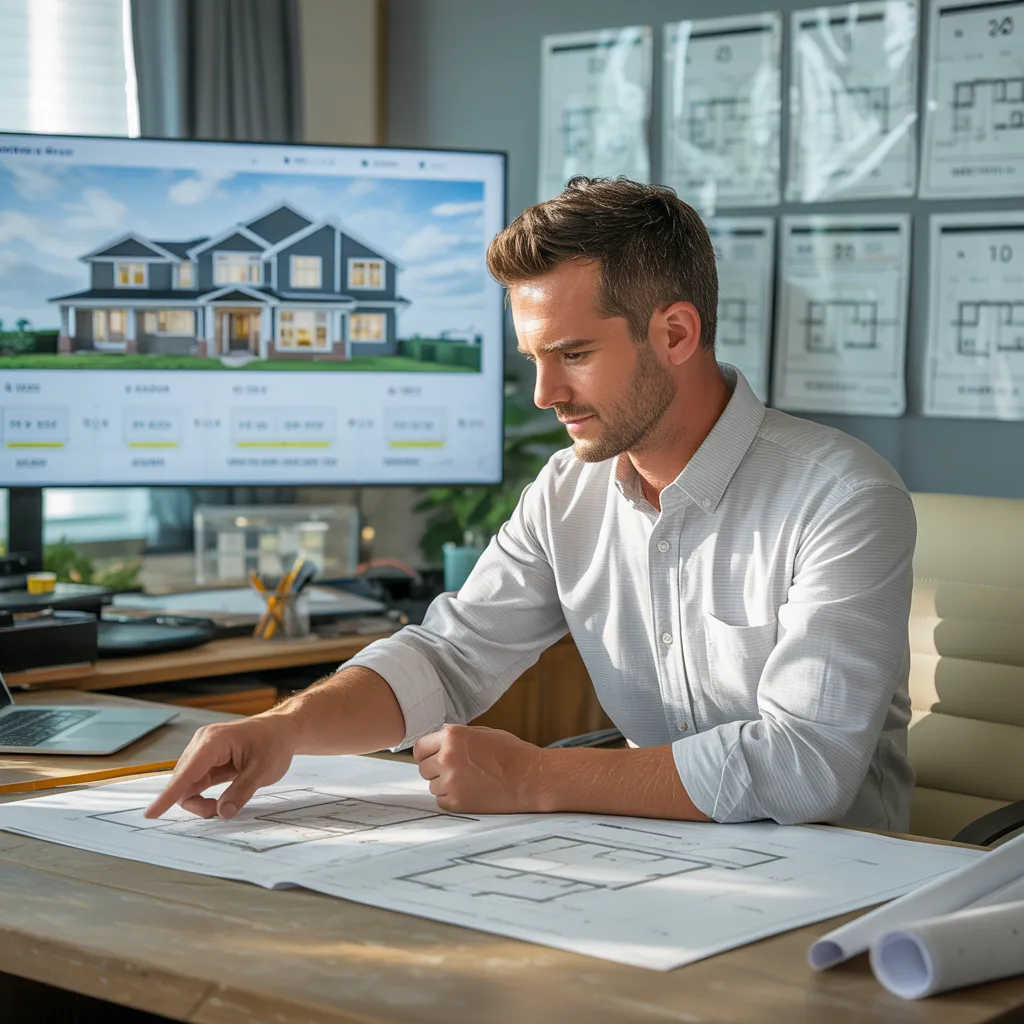
Essential Characteristics of a Trustworthy Home Builder
When selecting a home builder, understanding the important qualities that establish a credible professional is critical. Integrity is essential; a trustworthy builder guarantees transparency in all transactions, ensuring clients are informed and satisfied throughout the process. Experience also proves essential; experienced builders hold the expertise to manage obstacles proficiently and can lead clients through design and regulatory complexities.
Additionally, strong communication skills are required, as they support clear interactions and rapid replies to customer concerns. A reputable builder should also demonstrate a commitment to quality, using robust materials and expert craftsmanship to secure lasting results. Finally, positive client testimonials and a solid portfolio prove a contractor's standing and consistency. By recognizing these vital characteristics, clients can choose intelligently and select a contractor who matches their vision and values.
Key Services a Quality Home Builder Should Offer
A quality home builder delivers a array of important services that guarantee a smooth and successful construction process. First, they offer comprehensive design and planning services, which consist of consultations to comprehend the client's vision and preferences. This assures that the project matches the homeowner's expectations from the outset.
Moreover, a credible builder takes care of all mandatory permits and regulatory compliance, easing the often complex legal requirements of construction. They also present project management services, managing subcontractors, materials, and timelines skillfully to reduce delays and disruptions.
Furthermore, quality home builders often provide transparent budgeting and cost estimation, allowing clients to choose wisely throughout the project. After construction, many builders extend services such as warranties and post-construction support, ensuring long-term satisfaction. By providing these vital offerings, a reliable home builder plays a pivotal role in transforming a vision endeavor into a reality.
Key Criteria for Assessing a Builder's Track Record
When assessing a builder's portfolio, multiple important criteria prove to be critical markers of quality. Diverse project types and scale, craftsmanship, and aesthetic uniformity play crucial parts in assessing a builder's ability to meet diverse client needs. These factors together offer insight into the construction expert's experience and overall aesthetic vision.
Project Variety and Scope
The variety and scope of projects serve as important indicators in the evaluation of a builder's portfolio. A broad mix of projects reveals the builder's adaptability and skill in handling different types and needs. This includes residential homes, renovations, and commercial spaces, reflecting the builder's capability to satisfy diverse client needs. Evaluating the scope also means looking at project sizes, from minor remodels to expansive custom builds. A builder experienced in various project types reflects a solid understanding of industry standards and challenges. Furthermore, a well-rounded portfolio signals a builder's ability to innovate and customize solutions, assuring they can translate a client's vision into reality, regardless of complexity or scale. This variety ultimately strengthens a builder's reputation and reliability.
Standard of Handiwork Excellence
The quality of artisan work is a important measure when assessing a builder’s portfolio, reflecting the skill and meticulous attention to detail inherent in their work. Prospective homeowners should carefully examine completed projects, noting the precision of finishes, structural integrity, and overall aesthetics. High-quality craftsmanship frequently demonstrates excellent materials and methods, noticeable in smooth surfaces, well-aligned fixtures, and long-lasting installations. Builders who emphasize craftsmanship generally show a strong commitment to excellence, making sure that every aspect meets stringent standards. Furthermore, client testimonials offer valuable insights into the builder's dependability and dedication to quality. By evaluating craftsmanship, homeowners can make well-informed choices, ensuring thorough guide their selected builder matches their vision for a successfully executed project.
Design Consistency and Style
Design coherence and uniformity are fundamental aspects in evaluating a builder's portfolio, as they display the overall concept and aesthetic consistency of completed projects. A portfolio presenting varied designs may suggest versatility; however, it should still retain a recognizable style that aligns with the builder's brand. Clients should search for harmonious color schemes, complementary materials, and cohesive design elements across different homes. Careful attention in design aspects, such as trim and lighting, further illustrates a builder's commitment toward consistent style. Additionally, examining how a builder adjusts their design principles while still creating a cohesive look across multiple projects can deliver insight into their creative capabilities. Ultimately, design consistency assures clients that their vision will be executed seamlessly.
Why Open Discussion Makes a Difference in Home Building
Exchange of information that is lucid is fundamental in home building, as it provides the foundation for setting forth parameters among all stakeholders. When difficulties emerge, effective dialogue expedites quick troubleshooting, decreasing delays and miscommunications. Moreover, transparent communication nurtures trustworthy relationships, which are vital for successful project completion.
Defining Expectations with Precision
Effective interaction is crucial in the home building process, as it lays the groundwork for a successful project. Establishing unambiguous understandings between homeowners and builders is vital to avoid misunderstandings. This involves defining timelines, budget constraints, and design preferences from the outset. When expectations are communicated effectively, both parties can align their visions and objectives, leading to a smoother workflow. Regular updates and open dialogue foster transparency, enabling homeowners to feel involved and informed throughout the project. Furthermore, clear expectations help builders manage resources efficiently, minimizing delays and potential conflicts. By prioritizing clear communication, homeowners and builders can work collaboratively towards realizing the dream project without unnecessary complications. Ultimately, this approach enhances satisfaction and trust in the home building experience.
Streamlining Prompt Problem-Solving
Navigating the complexities of home building frequently requires quick decision-making and problem-solving. Transparent communication among builders, clients, and subcontractors is vital for dealing with unforeseen challenges efficiently. When challenges appear, swift and transparent dialogue helps rapid problem identification, diminishing delays and reducing stress. Contractors who value open communication channels can swiftly convey information, making sure every party agrees on solutions. Such a proactive strategy enables quick resolutions and also empowers clients to make knowledgeable decisions. By encouraging a culture centered on clear communication, home builders strengthen their capability to manage difficulties effectively, ultimately aiding in successful project delivery and stakeholder contentment.
Enhancing Reliable Relationships
Building credibility among all members in home construction is dependent on consistent communication. Clear dialogue encourages collaboration between homeowners, builders, and subcontractors, ensuring that everyone is aligned on project goals and expectations. Regular updates and open channels for feedback permit the timely resolution of concerns, cutting down on misunderstandings. When builders outline timelines, budgets, and potential obstacles transparently, homeowners feel more secure in their investments. Additionally, establishing rapport encourages a cooperative atmosphere, which can lead to innovative solutions and creative input. Ultimately, by prioritizing effective communication, all stakeholders can forge stronger relationships, paving the way for successful projects and satisfied clients. This trust enhances the overall experience, making the home-building journey more enjoyable and less stressful.
Guidelines to Allocate Smartly for Your Home Intelligently
How can property owners assure their financial matters correspond with their envisioned home dreams? A solid financial strategy is important for making informed choices. First, property owners should appraise their monetary standing by calculating total income, active financial burdens, and recurring expenses. This examination helps ascertain a workable financial plan for home construction.
Next, creating a thorough list of expected costs is essential. Property owners should include land acquisition, materials, labor, permits, and unexpected costs, often referred to as a reserve fund. Building a priority list for features can direct spending and ensure essential elements are funded first.
Moreover, homeowners should look into financing options, such as advances, grants, or savings, to procure necessary funds. Monitoring costs consistently against the financial outline can help copyright financial discipline throughout the project. By adhering to these tactics, property owners can effectively manage their finances and make their ideal home a reality without spending excessively.
Information to Consider About the Home Building Process
As homeowners begin the mission of establishing their perfect dwelling, recognizing the various stages of the development sequence is necessary for a positive result. The workflow typically starts with advance preparation, where homeowners work with builders to finalize plans, costs, and schedules.
Once plans are authorized, the foundation work starts, which includes site readiness and laying the foundation. After this phase, the framing phase establishes the home's structure, allowing for a clearer vision of the final product. After framing, systems such as pipe work, wiring, and HVAC get installed.
Next, interior and exterior finishes are applied, converting the area into a comfortable home. The final stage includes inspections and securing required permits before completion. Throughout this process, clear dialogue with contractors guarantees that the construction stays on track, aligning with the homeowners' vision and expectations.
Frequently Requested FAQs
What Should I Think About When Selecting a Home Builder for My Build?
To determine the suitable home builder, one should research their reputation, examine past projects, verify permits and insurance, assess communication methods, and obtain thorough quotations. Personal referrals and internet ratings can also provide valuable insights.
What Warranties Are Generally Extended by Home Builders?
Home constructors typically offer warranties that include structural defects, labor quality, and construction materials. Standard durations last from one to ten years, delivering protection against considerable concerns arising after construction, cultivating client confidence and satisfaction.
Can I Implement Changes During the Building Phase?
Alterations during the construction phase are typically feasible, but they may depend on the contract and stage of construction. Homeowners should contact builders promptly to discuss options and any potential impacts on timelines and costs.
What Timeframe Should You Anticipate for a Standard Home Construction?
A typical home build generally takes six to twelve months, subject to multiple considerations such as design complexity, site conditions, and weather. Delays can take place, altering the overall duration of the building endeavor.
What should I implement if Complications happen Throughout Construction?
If complications develop during construction, the homeowner should record the problems, communicate promptly with the builder, and seek a solution. If needed, seeking legal advice or a neutral arbitrator may effectively resolve major disagreements in an effective manner.